

Sea of Galilee, The Great Commission (Part 2)

The Life and Teachings of ChristSteve Gregg
In "Sea of Galilee, The Great Commission (Part 2)", Steve Gregg explores the commissioning of the disciples and the importance of spreading the gospel. He emphasizes the need for Christians to prioritize loving and serving God, rather than judging others for their religious practices. Gregg also discusses the role of baptism in the conversion process and the importance of making disciples throughout one's life. Overall, he stresses the message of submitting to King Jesus and following his teachings until the end of time.
More from The Life and Teachings of Christ
179 of 180

Sea of Galilee, The Great Commission (Part 1)
The Life and Teachings of Christ
In "Sea of Galilee, The Great Commission" presented by Steve Gregg, the focus is on post-resurrection appearances of Jesus. One of the peculiarities m
Series by Steve Gregg

Sermon on the Mount
Steve Gregg's 14-part series on the Sermon on the Mount deepens the listener's understanding of the Beatitudes and other teachings in Matthew 5-7, emp

Genesis
Steve Gregg provides a detailed analysis of the book of Genesis in this 40-part series, exploring concepts of Christian discipleship, faith, obedience
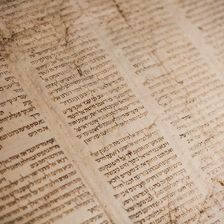
Torah Observance
In this 4-part series titled "Torah Observance," Steve Gregg explores the significance and spiritual dimensions of adhering to Torah teachings within

Jonah
Steve Gregg's lecture on the book of Jonah focuses on the historical context of Nineveh, where Jonah was sent to prophesy repentance. He emphasizes th

Charisma and Character
In this 16-part series, Steve Gregg discusses various gifts of the Spirit, including prophecy, joy, peace, and humility, and emphasizes the importance
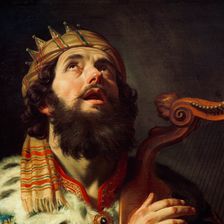
1 Kings
Steve Gregg teaches verse by verse through the book of 1 Kings, providing insightful commentary on topics such as discernment, building projects, the
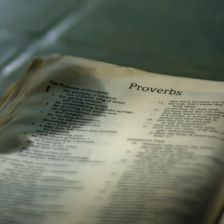
Proverbs
In this 34-part series, Steve Gregg offers in-depth analysis and insightful discussion of biblical book Proverbs, covering topics such as wisdom, spee
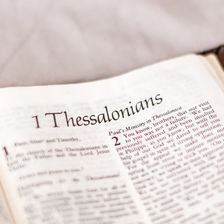
1 Thessalonians
In this three-part series from Steve Gregg, he provides an in-depth analysis of 1 Thessalonians, touching on topics such as sexual purity, eschatology
Habakkuk
In his series "Habakkuk," Steve Gregg delves into the biblical book of Habakkuk, addressing the prophet's questions about God's actions during a troub
Numbers
Steve Gregg's series on the book of Numbers delves into its themes of leadership, rituals, faith, and guidance, aiming to uncover timeless lessons and
More on OpenTheo
What Do You Think About Churches Advertising on Social Media?
#STRask
January 19, 2026
Questions about whether there’s an issue with churches advertising on social media, whether it’s weird if we pray along with a YouTuber, and whether C
Why Are So Many Christians Condemning LGB People Just Because of How They Love?
#STRask
January 15, 2026
Questions about Christians condemning LGB people just because of how they love, how God can expect someone to be celibate when others are free to marr

Brian Miller: Fine-Tuning and the Multiverse Theory
Knight & Rose Show
March 7, 2026
Wintery Knight and guest host Terrell Clemmons welcome Dr. Brian Miller to discuss the the evidence for fine-tuning in physics and cosmology and the m
Keri Ingraham: School Choice and Education Reform
Knight & Rose Show
January 24, 2026
Wintery Knight and guest host Bonnie welcome Dr. Keri Ingraham to discuss school choice and education reform. They discuss the public school monopoly'
Why Is It Necessary to Believe Jesus Is God?
#STRask
February 19, 2026
Questions about why it’s necessary to believe Jesus is God, whether belief in the Trinity is required for salvation, and why one has to believe in the
How Can We Know Who Is Teaching the Same Gospel Paul Taught?
#STRask
February 16, 2026
Questions about how we can know who is teaching the same gospel Paul taught, and whether or not Jeremiah 1:5 supports the idea that we pre-existed in
How Do You Justify Calling Jesus the Messiah?
#STRask
December 18, 2025
Questions about how one can justify calling Jesus the Messiah when he didn’t fulfill the Hebrew messianic prophecies, and whether the reason for the v
Is It a Sin to Feel Let Down by God?
#STRask
November 6, 2025
Questions about whether it’s a sin to feel let down by God and whether it would be easier to have a personal relationship with a rock than with a God
Are Demon Possessions and Exorcisms in the New Testament Literal?
#STRask
December 11, 2025
Questions about whether references to demon possessions and exorcisms in the New Testament are literal, how to talk to young children about ghosts, an
How Do I Determine Which Topics at Work Are Worth Commenting On?
#STRask
January 5, 2026
Questions about how to determine which topics at work are worth commenting on, and a good way to respond when you’re in a group Bible study and hear e
Is Greg Placing His Faith in the Wrong Thing?
#STRask
February 12, 2026
Questions about Greg placing his faith in his personal assessment of which truth claims best match reality rather than in the revelation of God in Jes
Did God Create Us So He Wouldn’t Be Alone?
#STRask
November 3, 2025
Questions about whether God created us so he wouldn’t be alone, what he had before us, and a comparison between the Muslim view of God and the Christi
Is This an Argument for Relativism?
#STRask
March 16, 2026
Questions about whether the fact that the truth about one’s age changes over time is an argument for relativism, and how to ground virtues like courag
How Do We Advocate for Christian Policy Without Making the Government Interfere in Every Area of Life?
#STRask
November 20, 2025
Questions about how to advocate for Christian policy without making the government interfere in every area of life, and the differences between the mo
Could the Writers of Scripture Have Been Influenced by Their Fallen Nature?
#STRask
October 23, 2025
Questions about whether or not it’s reasonable to worry that some of our current doctrines were influenced by the fallen nature of the apostles, and h