
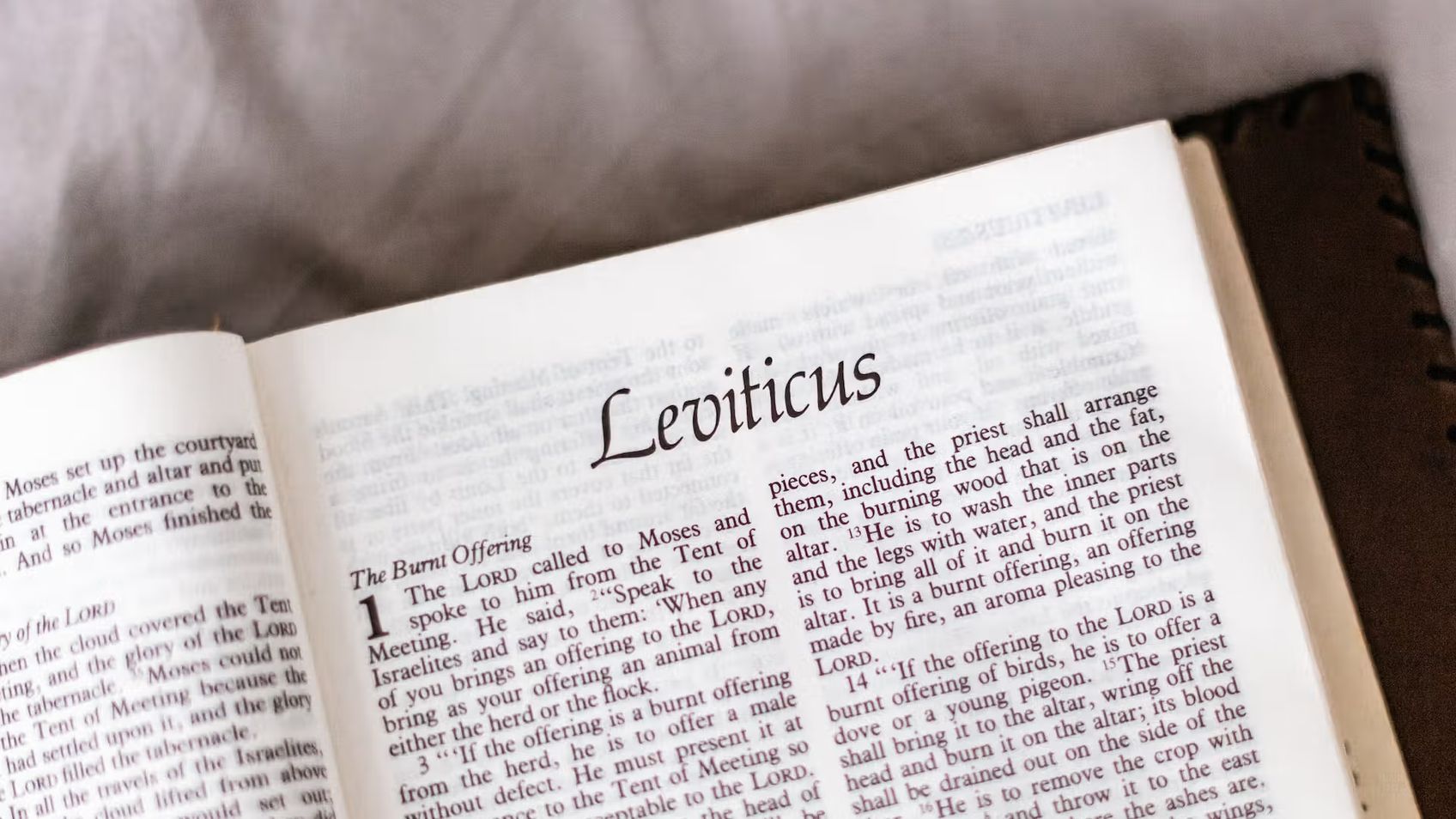
Leviticus 13 - 15

LeviticusSteve Gregg
In this discussion, Steve Gregg provides an insightful analysis of Leviticus 13-15, which contains laws regarding leprosy and bodily discharges. He clarifies that while leprosy symbolizes sin, it is not limited to its current definition and may include a range of meanings based on its usage back then. The laws regarding leprosy were designed to quarantine those affected and prevent the spread of the disease, rather than address hygiene concerns. Moreover, some of the laws have a symbolic rather than practical significance.
More from Leviticus
7 of 12
Next in this series
Leviticus 16 - 17
Leviticus
Leviticus 16-17 is a discussion led by Steve Gregg on the law concerning Day of Atonement, which is not about going to heaven but rather the earthly p
8 of 12
Leviticus 18 - 20
Leviticus
Leviticus 18-20 lists various sins that are forbidden and attaches penalties for them. The section reiterates the importance of being holy, as Yahweh
5 of 12
Leviticus 11 - 12
Leviticus
Leviticus 11-12 provides guidelines for worship and cleanliness, including laws related to uncleanness and certain circumstances where a person cannot
Series by Steve Gregg

What You Absolutely Need To Know Before You Get Married
Steve Gregg's lecture series on marriage emphasizes the gravity of the covenant between two individuals and the importance of understanding God's defi
James
A five-part series on the book of James by Steve Gregg focuses on practical instructions for godly living, emphasizing the importance of using words f

How Can I Know That I Am Really Saved?
In this four-part series, Steve Gregg explores the concept of salvation using 1 John as a template and emphasizes the importance of love, faith, godli
Exodus
Steve Gregg's "Exodus" is a 25-part teaching series that delves into the book of Exodus verse by verse, covering topics such as the Ten Commandments,

Ruth
Steve Gregg provides insightful analysis on the biblical book of Ruth, exploring its historical context, themes of loyalty and redemption, and the cul

Philemon
Steve Gregg teaches a verse-by-verse study of the book of Philemon, examining the historical context and themes, and drawing insights from Paul's pray

The Holy Spirit
Steve Gregg's series "The Holy Spirit" explores the concept of the Holy Spirit and its implications for the Christian life, emphasizing genuine spirit
Galatians
In this six-part series, Steve Gregg provides verse-by-verse commentary on the book of Galatians, discussing topics such as true obedience, faith vers
Three Views of Hell
Steve Gregg discusses the three different views held by Christians about Hell: the traditional view, universalism, and annihilationism. He delves into
Lamentations
Unveiling the profound grief and consequences of Jerusalem's destruction, Steve Gregg examines the book of Lamentations in a two-part series, delving
More on OpenTheo
What About Those Who Never Heard the Name of Jesus?
#STRask
December 22, 2025
Questions about what will happen to those who never heard of Jesus or were brought up in a different faith, whether there’s biblical warrant to think
Why Is It Necessary to Believe Jesus Is God?
#STRask
February 19, 2026
Questions about why it’s necessary to believe Jesus is God, whether belief in the Trinity is required for salvation, and why one has to believe in the
Is 1 Corinthians 12:3 a Black-and-White Tool for Discernment?
#STRask
October 27, 2025
Questions about whether the claim in 1 Corinthians that “no one can say ‘Jesus is Lord’ except in the Holy Spirit” is a black-and-white tool for disce
How Should I Respond to an LGBTQ Person Who Says He Feels Good About Who He Is?
#STRask
March 2, 2026
Questions about responding to an LGBTQ person who says he feels good about who he is, and whether—since we all have sin in our life we don’t consider
Would You Say God’s Primary Object Is to Not Be Found?
#STRask
March 19, 2026
Questions about whether God’s primary object is to not be found, how one can say God doesn’t make mistakes if the percentage of Christians in the worl
Does God Hear the Prayers of Non-Believers?
#STRask
February 26, 2026
Questions about whether or not God hears and answers the prayers of non-believers, and thoughts about a church sign that reads (as if from God), “Just
What Tools of Reasoning Help You Know What’s True, Right, and Good?
#STRask
December 4, 2025
Question about what tools of reasoning help us determine whether something is true or false, right or wrong, good or bad before bringing Scripture int
Is This an Argument for Relativism?
#STRask
March 16, 2026
Questions about whether the fact that the truth about one’s age changes over time is an argument for relativism, and how to ground virtues like courag
Keri Ingraham: School Choice and Education Reform
Knight & Rose Show
January 24, 2026
Wintery Knight and guest host Bonnie welcome Dr. Keri Ingraham to discuss school choice and education reform. They discuss the public school monopoly'
Why Is There No Effort Towards a Neutral Interpretation of Scripture?
#STRask
March 9, 2026
Questions about why there is no effort towards a neutral interpretation of Scripture that doesn’t take denominational preferences into account, and ho
How Do I Determine Which Topics at Work Are Worth Commenting On?
#STRask
January 5, 2026
Questions about how to determine which topics at work are worth commenting on, and a good way to respond when you’re in a group Bible study and hear e
The Resurrection Standoff: Licona vs. Ehrman on the Unbelievable Podcast
Risen Jesus
October 22, 2025
This episode is taken from the Unbelievable podcast with Justin Brierly in 2011 when Dr. Bart Ehrman and Dr. Michael Licona address the question: Is t
Can You Recommend Good Books with More In-Depth Information and Ideas?
#STRask
January 22, 2026
Questions about good books on Christian apologetics, philosophy, and theology with more in-depth information and ideas, and resources to help an intel
What Do You Think About Churches Advertising on Social Media?
#STRask
January 19, 2026
Questions about whether there’s an issue with churches advertising on social media, whether it’s weird if we pray along with a YouTuber, and whether C
Can Two Logical People Come to Conflicting Conclusions Without Committing a Fallacy?
#STRask
January 8, 2026
Questions about whether two logical people can come to conflicting conclusions on a topic without committing a fallacy, how Greg, as a public figure,