
Judges 19 - 21

JudgesSteve Gregg
Steve Gregg provides an analysis of Judges 19-21, cautioning against interpreting the stories as attempting to make a broader point about the pitfalls of having a monarchy. The character in the story, while not significant in the grand scheme of things, is depicted as a rotten individual. The high value placed on hospitality in Middle Eastern culture is highlighted when a man offers his daughters to be abused instead of his guests, but the act is still deemed offensive today. Eventually, Israel mobilizes against the tribe of Benjamin and conquer them, and the story serves to vindicate the wrongs committed.
More from Judges
10 of 11
Judges 17 - 18
Judges
In this discussion by Steve Gregg, Judges 17-18 is examined as an appendix to the Book of Judges featuring a disconnected series of stories. The first
Series by Steve Gregg

Gospel of Luke
In this 32-part series, Steve Gregg provides in-depth commentary and historical context on each chapter of the Gospel of Luke, shedding new light on i

Individual Topics
This is a series of over 100 lectures by Steve Gregg on various topics, including idolatry, friendships, truth, persecution, astrology, Bible study,
Judges
Steve Gregg teaches verse by verse through the Book of Judges in this 16-part series, exploring its historical and cultural context and highlighting t

Amos
In this two-part series, Steve Gregg provides verse-by-verse teachings on the book of Amos, discussing themes such as impending punishment for Israel'
Esther
In this two-part series, Steve Gregg teaches through the book of Esther, discussing its historical significance and the story of Queen Esther's braver
Titus
In this four-part series from Steve Gregg, listeners are taken on an insightful journey through the book of Titus, exploring issues such as good works
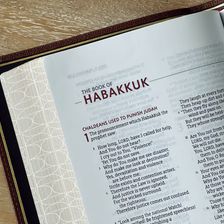
Habakkuk
In his series "Habakkuk," Steve Gregg delves into the biblical book of Habakkuk, addressing the prophet's questions about God's actions during a troub

Foundations of the Christian Faith
This series by Steve Gregg delves into the foundational beliefs of Christianity, including topics such as baptism, faith, repentance, resurrection, an

Sermon on the Mount
Steve Gregg's 14-part series on the Sermon on the Mount deepens the listener's understanding of the Beatitudes and other teachings in Matthew 5-7, emp

Jeremiah
Steve Gregg teaches verse by verse through a 16-part analysis of the book of Jeremiah, discussing its themes of repentance, faithfulness, and the cons
More on OpenTheo
How Do I Determine Which Topics at Work Are Worth Commenting On?
#STRask
January 5, 2026
Questions about how to determine which topics at work are worth commenting on, and a good way to respond when you’re in a group Bible study and hear e
Shouldn’t I Be Praying for My Soul Rather Than for Material Things?
#STRask
February 2, 2026
Questions about whether we should be praying for our souls rather than for material things, why we need to pray about decisions, whether the devil can
How Can I Explain Modesty to My Daughter?
#STRask
November 27, 2025
Questions about how to explain modesty to a nine-year-old in a way that won’t cause shame about her body, and when and how to tell a child about a pre
Why Is It Necessary to Believe Jesus Is God?
#STRask
February 19, 2026
Questions about why it’s necessary to believe Jesus is God, whether belief in the Trinity is required for salvation, and why one has to believe in the
What Is the Role of the Holy Spirit in Our Lives if He Doesn’t Give Us Instructions?
#STRask
February 23, 2026
Questions about the role of the Holy Spirit in our lives, advice for someone who believes in God intellectually but struggles to understand how to hav
Could the Writers of Scripture Have Been Influenced by Their Fallen Nature?
#STRask
October 23, 2025
Questions about whether or not it’s reasonable to worry that some of our current doctrines were influenced by the fallen nature of the apostles, and h
How Do We Advocate for Christian Policy Without Making the Government Interfere in Every Area of Life?
#STRask
November 20, 2025
Questions about how to advocate for Christian policy without making the government interfere in every area of life, and the differences between the mo
How Would You Convince Someone That Evil Exists?
#STRask
November 17, 2025
Questions about how to convince someone that evil exists, whether Charlie Kirk’s murder was part of God’s plan, whether that would mean the murderer d
Does God Hear the Prayers of Non-Believers?
#STRask
February 26, 2026
Questions about whether or not God hears and answers the prayers of non-believers, and thoughts about a church sign that reads (as if from God), “Just
The Resurrection Standoff: Licona vs. Ehrman on the Unbelievable Podcast
Risen Jesus
October 22, 2025
This episode is taken from the Unbelievable podcast with Justin Brierly in 2011 when Dr. Bart Ehrman and Dr. Michael Licona address the question: Is t
Why Should We Pray If God Already Knows What’s Going to Happen?
#STRask
January 29, 2026
Questions about why we should pray if God already knows what’s going to happen, how the effectiveness of prayer is measured, and whether or not things
How Do You Justify Calling Jesus the Messiah?
#STRask
December 18, 2025
Questions about how one can justify calling Jesus the Messiah when he didn’t fulfill the Hebrew messianic prophecies, and whether the reason for the v
What Are Some Good Ways to Start a Conversation About God with Family Members?
#STRask
October 30, 2025
Questions about how to start a conversation about God with non-Christian family members, how to keep from becoming emotional when discussing faith iss
Are You Accursed If You Tithe?
#STRask
December 15, 2025
Questions about whether anyone who tithes is not a Christian and is accursed since Paul says that if you obey one part of the Mosaic Law you’re obliga
When I Can’t Stop Thinking About Something, Is That God Speaking?
#STRask
December 1, 2025
Questions about whether having a recurring thought is an indication God is speaking to you, what to say to someone who says they sinned because “God t