
Ruth 2-4

RuthSteve Gregg
Steve Gregg provides a insightful analysis of Ruth chapters 2 to 4, shedding light on the cultural context and significance of the story. He explores the idea of gleanings and how Ruth's vulnerable position as a poor widow could have put her at risk in the fields. Gregg emphasizes the importance of Boaz's kindness and his role as a near kinsman, highlighting the legal obligations in redeeming someone's condition. He also delves into the customs and laws of ancient Israel, drawing connections between Leviticus and the events in Ruth. Through his compelling analysis, Gregg offers a deeper understanding of the story and its themes of kindness, redemption, and cultural dynamics.
More from Ruth
1 of 2
Ruth 1
Ruth
This analysis delves into the book of Ruth, highlighting its position as one of the two biblical texts named after women. The speaker examines the his
Series by Steve Gregg
Lamentations
Unveiling the profound grief and consequences of Jerusalem's destruction, Steve Gregg examines the book of Lamentations in a two-part series, delving
Hebrews
Steve Gregg teaches verse by verse through the book of Hebrews, focusing on themes, warnings, the new covenant, judgment, faith, Jesus' authority, and
Obadiah
Steve Gregg provides a thorough examination of the book of Obadiah, exploring the conflict between Israel and Edom and how it relates to divine judgem
Titus
In this four-part series from Steve Gregg, listeners are taken on an insightful journey through the book of Titus, exploring issues such as good works
Philemon
Steve Gregg teaches a verse-by-verse study of the book of Philemon, examining the historical context and themes, and drawing insights from Paul's pray
Gospel of Matthew
Spanning 72 hours of teaching, Steve Gregg's verse by verse teaching through the Gospel of Matthew provides a thorough examination of Jesus' life and
Gospel of Luke
In this 32-part series, Steve Gregg provides in-depth commentary and historical context on each chapter of the Gospel of Luke, shedding new light on i
1 Thessalonians
In this three-part series from Steve Gregg, he provides an in-depth analysis of 1 Thessalonians, touching on topics such as sexual purity, eschatology
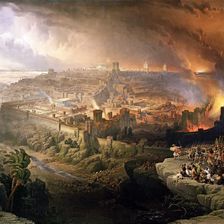
When Shall These Things Be?
In this 14-part series, Steve Gregg challenges commonly held beliefs within Evangelical Church on eschatology topics like the rapture, millennium, and
Three Views of Hell
Steve Gregg discusses the three different views held by Christians about Hell: the traditional view, universalism, and annihilationism. He delves into
More on OpenTheo
Does God Hear the Prayers of Non-Believers?
#STRask
February 26, 2026
Questions about whether or not God hears and answers the prayers of non-believers, and thoughts about a church sign that reads (as if from God), “Just
What Tools of Reasoning Help You Know What’s True, Right, and Good?
#STRask
December 4, 2025
Question about what tools of reasoning help us determine whether something is true or false, right or wrong, good or bad before bringing Scripture int
Can You Provide Verifiable, Non-Religious Evidence That a Supernatural Jesus Existed?
#STRask
November 10, 2025
Question about providing verifiable, non-religious evidence that a supernatural Jesus existed.
* I am an atheist and militantly anti-god-belief. Ho
Would You Say God’s Primary Object Is to Not Be Found?
#STRask
March 19, 2026
Questions about whether God’s primary object is to not be found, how one can say God doesn’t make mistakes if the percentage of Christians in the worl
Who Wrote the Gospels? Michael Licona vs. Bart Ehrman - Part 2
Risen Jesus
March 18, 2026
Did Matthew, Mark, Luke, and John write the gospels that bear their names? The texts themselves do not name them as the authors and were published and
The Resurrection Standoff: Licona vs. Ehrman on the Unbelievable Podcast
Risen Jesus
October 22, 2025
This episode is taken from the Unbelievable podcast with Justin Brierly in 2011 when Dr. Bart Ehrman and Dr. Michael Licona address the question: Is t
Is Greg Placing His Faith in the Wrong Thing?
#STRask
February 12, 2026
Questions about Greg placing his faith in his personal assessment of which truth claims best match reality rather than in the revelation of God in Jes
Keri Ingraham: School Choice and Education Reform
Knight & Rose Show
January 24, 2026
Wintery Knight and guest host Bonnie welcome Dr. Keri Ingraham to discuss school choice and education reform. They discuss the public school monopoly'
Why Do We Say Someone Was Saved on a Particular Date If It Was Part of an Eternal Plan?
#STRask
November 24, 2025
Questions about why we say someone was saved on a particular date if it was part of an eternal plan, the Roman Catholic view of the gospel vs. the Bib
What About Those Who Never Heard the Name of Jesus?
#STRask
December 22, 2025
Questions about what will happen to those who never heard of Jesus or were brought up in a different faith, whether there’s biblical warrant to think
Can Two Logical People Come to Conflicting Conclusions Without Committing a Fallacy?
#STRask
January 8, 2026
Questions about whether two logical people can come to conflicting conclusions on a topic without committing a fallacy, how Greg, as a public figure,
Kingdom Priorities: Following the Teachings of Jesus
Knight & Rose Show
February 14, 2026
Wintery Knight and Desert Rose discuss Jesus' teachings from the Gospels, emphasizing truth, evidence, self-denial, and forgiveness. They explore pass
Is It Possible There’s a Being That’s Greater Than God?
#STRask
February 5, 2026
Questions about whether it’s possible there’s a being that’s greater than God and that’s outside of God’s comprehension and omniscience, and how to ex
Can You Recommend Good Books with More In-Depth Information and Ideas?
#STRask
January 22, 2026
Questions about good books on Christian apologetics, philosophy, and theology with more in-depth information and ideas, and resources to help an intel
Did God Create Us So He Wouldn’t Be Alone?
#STRask
November 3, 2025
Questions about whether God created us so he wouldn’t be alone, what he had before us, and a comparison between the Muslim view of God and the Christi